
Church of the Holy Savior, Jesus Christ
The Kessler Settlement Church, spiritual home of a German Catholic congregation.
A modest church, a vital center
The settlement’s faith life began even before there was a church: Jesuit missionaries performed the first recorded baptisms at the site in 1842. The spiritual foundation of the settlement became the Church of the Holy Savior, Jesus Christ, often called the Kessler Settlement Church, established in 1847. It stood on five acres donated by Joseph and Maria Louisa Kessler. It was a modest building, but it served as the main place of worship for the German Catholic congregation in Buchanan County.
The building was probably a simple log or frame structure, typical of the Missouri frontier, and its presence turned a cluster of immigrant farms into a real community. It stayed the settlement’s focal point until about 1850. After that the congregation’s needs changed, which eventually led to St. Joseph Church in Easton and Seven Dolors Church in Hurlingen.
More than a house of worship
In the mid-1800s the Church of the Holy Savior was the cultural and social anchor for German immigrants finding their way in a new world. It gave the settlers continuity and identity, a place to keep their native language and traditions within their faith.
It hosted the community’s most sacred milestones, from infant baptisms to weddings and funeral rites. It was also a gathering place where families such as the Wiedmaiers, Kesslers and Sielas could support one another and help the settlement survive and prosper through the hard early years on the frontier.
The “DNA” of the settlement
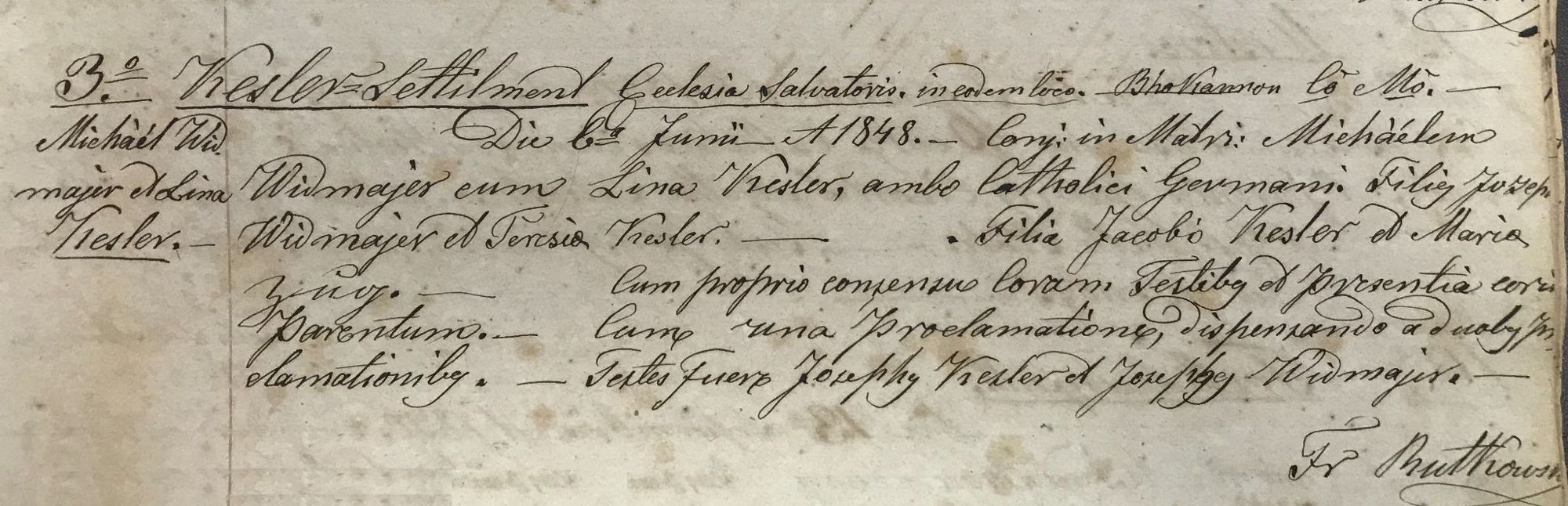
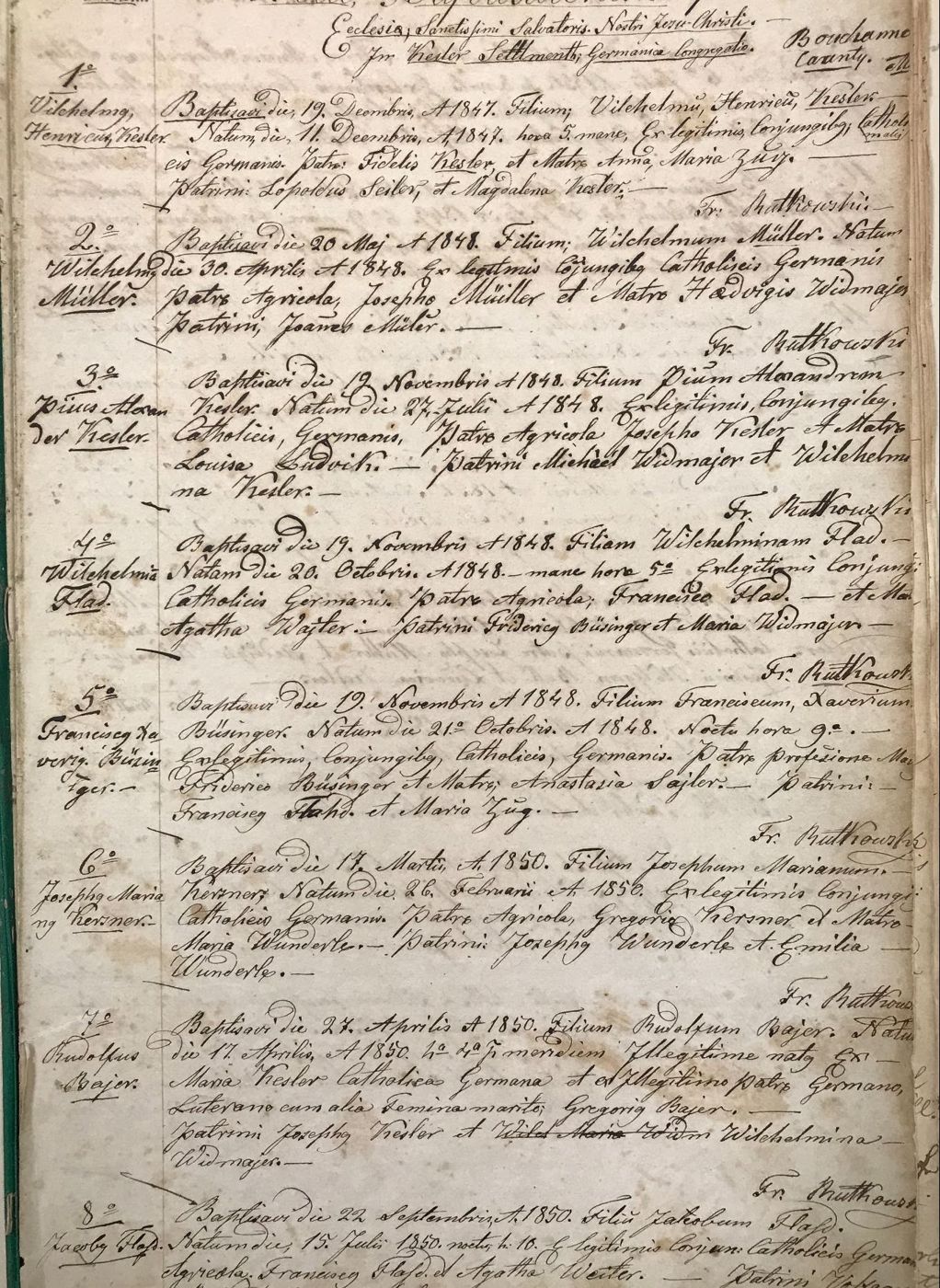
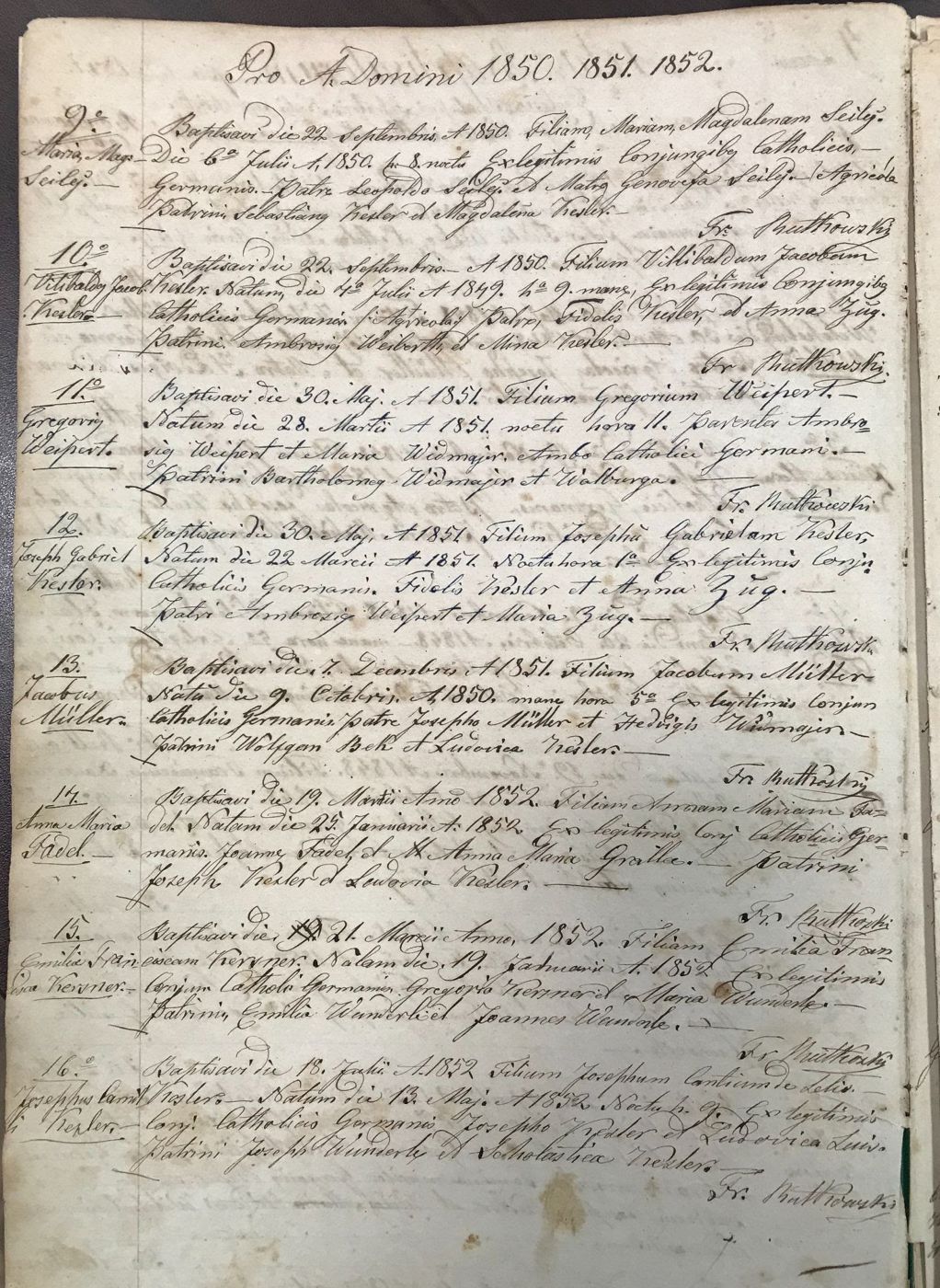
Records kept by the church and the Diocese give a window into the lives of the people who lived and died here.
These documents, including baptismal registers, marriage certificates and burial ledgers, are often the only surviving evidence of the settlement’s earliest residents. For example, the recorded burial of Joseph Wiedmaier in 1849 marks the first burial at the site and also confirms that he was a weaver born in Germany.
The deed records from 1847 give the exact legal and geographic boundaries of the sacred grounds. These archives are essential for preservationists and genealogists. Without them, the names and stories of the pioneers buried in the Old Kessler Cemetery would have been lost.

The parishes that followed
As the settlement’s families moved toward the new towns, their faith went with them.
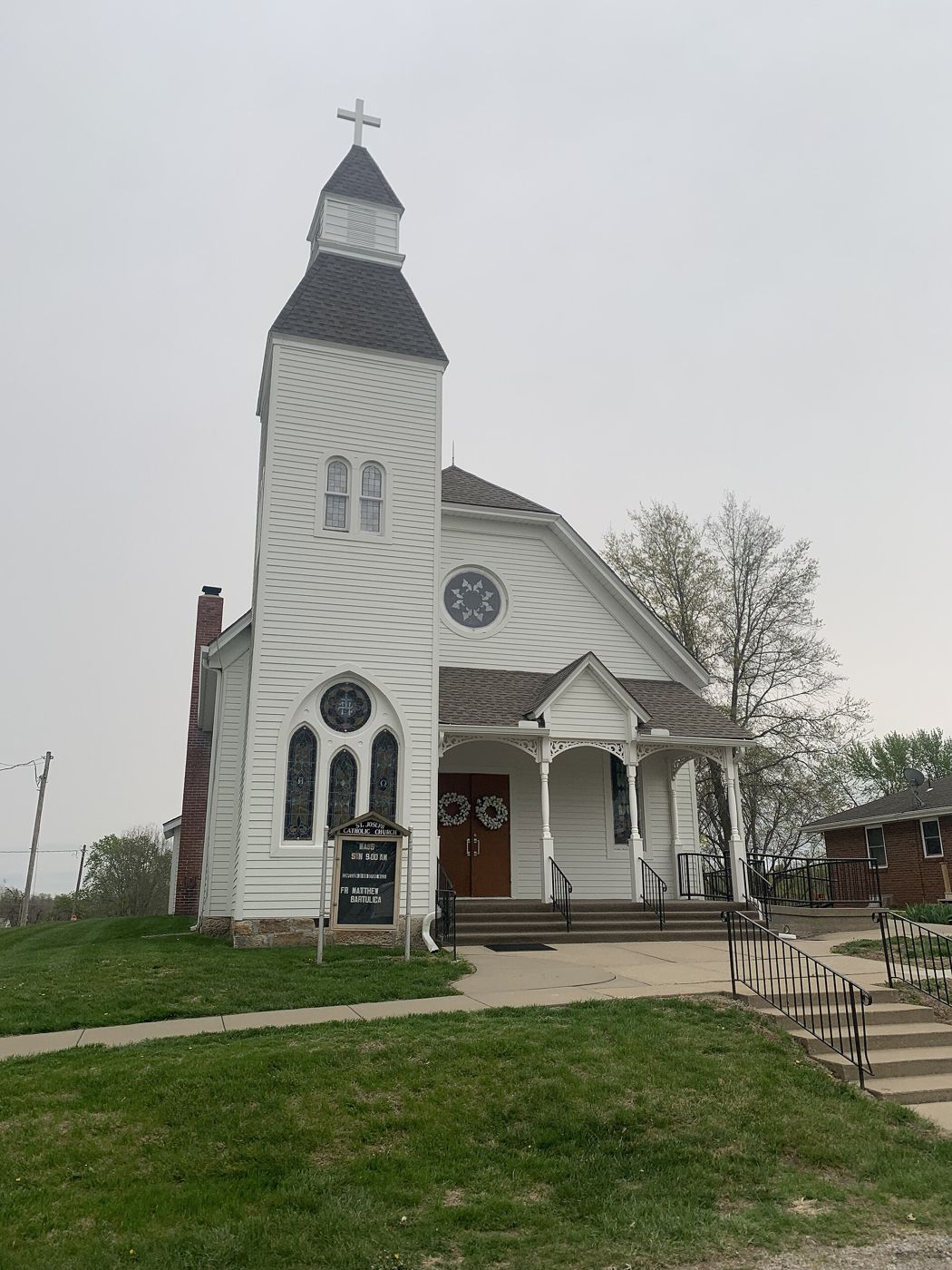
St. Joseph Church, Easton
Easton was platted in 1854 east of St. Joseph, which is how it is thought to have got its name, and a post office named Easton has operated since 1855. As the town grew it became the center of the community, and St. Joseph Catholic Church became the home parish for many settlement families.
By 1896 a new Catholic cemetery had opened in Easton, and families including the McAlarneys, Fishers and Wallers began moving their loved ones from the old Kessler grounds. In 2002, St. Joseph parishioners and local Boy Scouts made the first modern effort to restore the old cemetery.
St. Joseph Church · 107 Short Ridge Street, Easton, MO 64443
Seven Dolors Church, Hurlingen
East of St. Joseph in eastern Buchanan County, the village of Hurlingen (also spelled Hirlingen) became the other heir of the Kessler Settlement’s faith. Its Church of the Seven Dolors, named for the Seven Sorrows of the Blessed Virgin Mary, served the German Catholic farm families of the area for generations.
Church of the Seven Dolors · 12750 Hurlingen Road, Hurlingen, MO